What is LEI Registration? Process, Benefits, and Requirements Explained
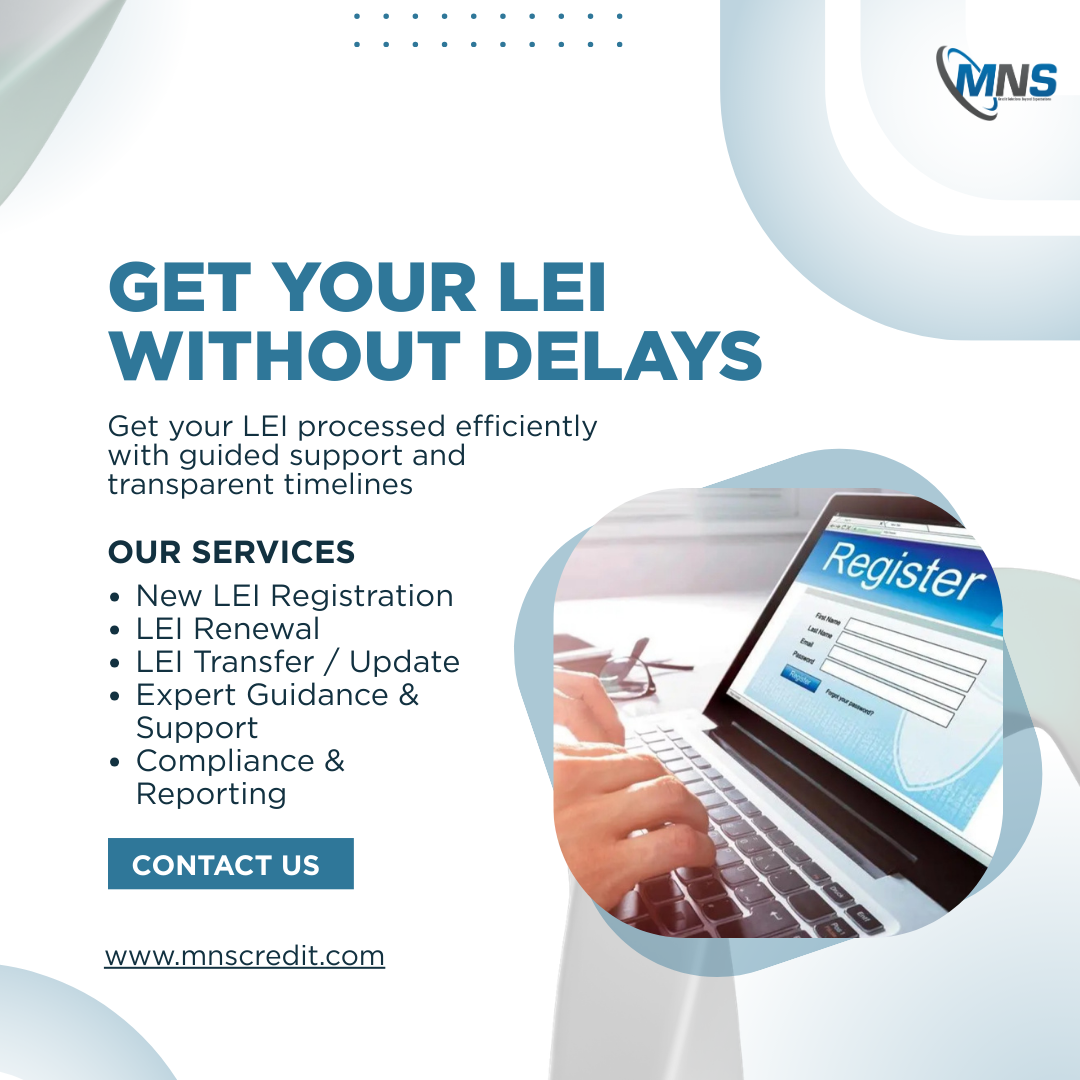
In the modern financial ecosystem, transparency and accurate identification of business entities are essential. Regulatory bodies and financial institutions require a standardized system to identify organizations involved in financial transactions. This is where LEI registration becomes important.
LEI registration allows businesses to obtain a Legal Entity Identifier (LEI), a globally recognized code used to uniquely identify legal entities. It helps improve transparency, reduce financial risk, and ensure compliance with global financial regulations.
What is LEI Registration?
LEI registration is the process of obtaining a Legal Entity Identifier—a 20-character alphanumeric code assigned to legally registered entities such as companies, partnerships, trusts, and financial institutions.
The LEI system is managed globally by the Global Legal Entity Identifier Foundation, which ensures that each entity has a unique identity in the global financial system.
An LEI code helps regulators and institutions track financial transactions and identify the parties involved, making the financial system more secure and transparent.
Importance of LEI Registration
Obtaining an LEI is increasingly becoming mandatory for businesses involved in financial activities. Here’s why LEI registration is important:
Regulatory Compliance
Many financial regulators require companies to have an LEI for participating in certain transactions, especially in capital markets and banking.
Improved Transparency
LEI registration ensures that all entities involved in financial transactions are clearly identified, reducing the chances of fraud.
Risk Management
Financial institutions use LEI data to assess risks and verify counterparties before engaging in transactions.
Global Recognition
An LEI is accepted worldwide, making it easier for businesses to engage in international trade and financial dealings.
Who Needs LEI Registration?
LEI registration is required or recommended for various types of entities, including:
-
Companies involved in large financial transactions
-
Banks and financial institutions
-
Non-banking financial companies (NBFCs)
-
Businesses participating in derivatives or securities markets
-
Organizations dealing with cross-border transactions
Even if not mandatory, having an LEI improves credibility and trust in business operations.
LEI Registration Process
The process of LEI registration is simple and can be completed online through authorized Local Operating Units (LOUs).
Step 1: Choose an Authorized LEI Provider
Start by selecting a recognized LEI registration service provider approved by global authorities.
Step 2: Fill in Entity Details
Applicants must provide essential information such as:
-
Legal entity name
-
Registered address
-
Business registration number
-
Ownership details
Accurate information is crucial for successful registration.
Step 3: Submit Required Documents
Supporting documents are required to verify the entity’s identity. These may include:
-
Certificate of incorporation
-
PAN card (for Indian entities)
-
Address proof
-
Authorization documents
Step 4: Verification
The LEI issuer verifies the submitted details using official databases to ensure accuracy and authenticity.
Step 5: LEI Code Issuance
Once verification is complete, the LEI code is issued. The entity can then use it for financial transactions and regulatory compliance.
LEI Renewal and Validity
An LEI is valid for one year from the date of issuance. Businesses must renew their LEI annually to keep it active.
If not renewed, the LEI status becomes inactive, which may restrict participation in certain financial transactions.
Benefits of LEI Registration
LEI registration offers several advantages:
-
Enhances business credibility and trust
-
Ensures compliance with financial regulations
-
Improves transparency in transactions
-
Facilitates international business operations
-
Helps in better risk assessment
These benefits make LEI registration a valuable step for businesses operating in today’s financial landscape.
Conclusion
LEI registration is a critical requirement for businesses involved in financial transactions. It not only ensures regulatory compliance but also enhances transparency and trust in global financial markets.
By understanding the LEI registration process and its importance, businesses can streamline their operations, reduce risks, and build stronger relationships with financial institutions. Obtaining and maintaining an LEI is a strategic move toward long-term growth and financial security.

 English
 Arabic
 French
 Portuguese
 Deutsch
 Turkish
 Dutch
Dutch
 Italiano
 Russian
 Romaian
 Portuguese (Brazil)
 Greek
Greek