Everything You Need to Know About Pet X-Rays and Scans?
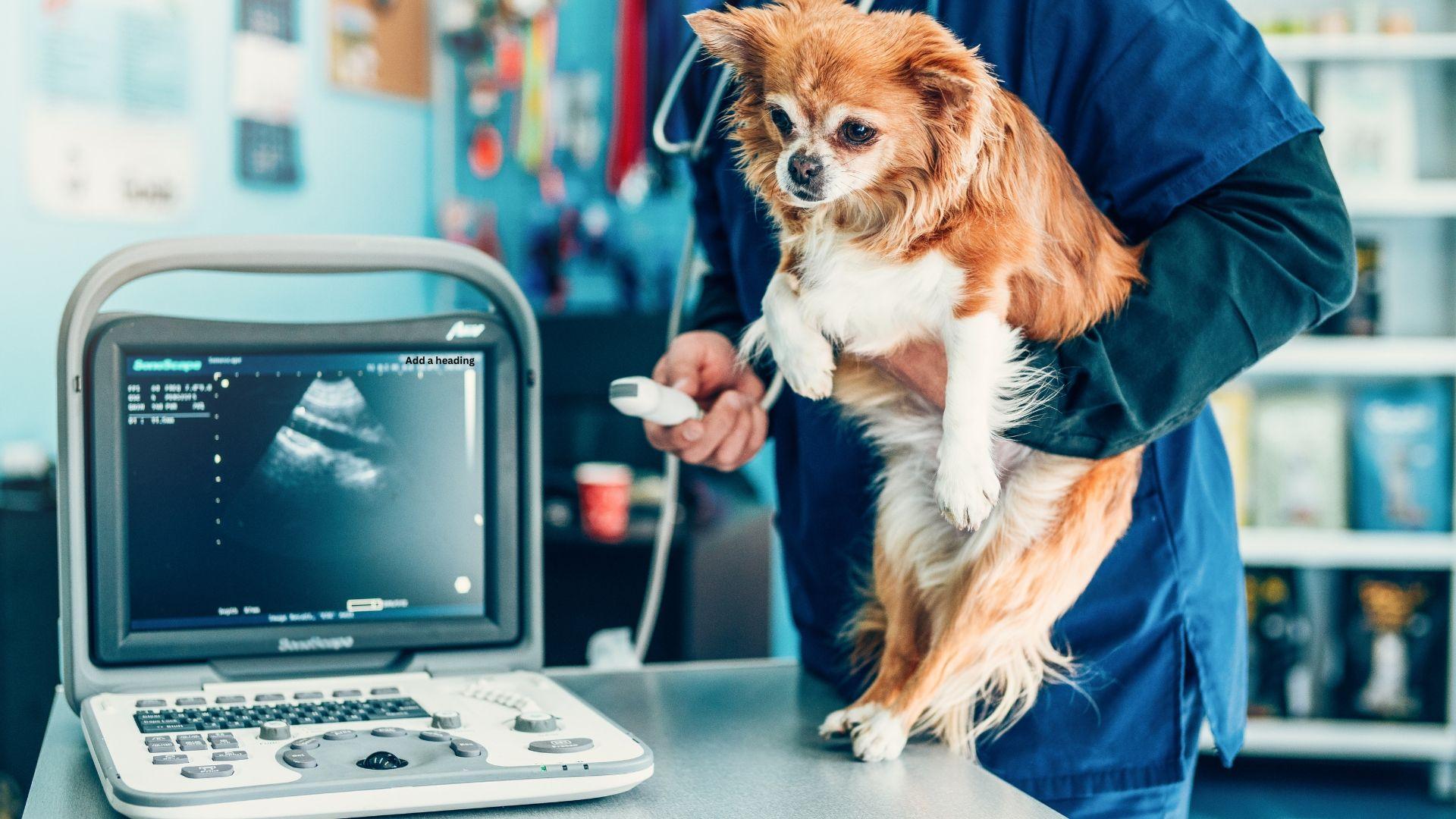
Pet health is a priority for every pet owner, and early diagnosis of medical issues can make a significant difference. One of the most effective tools for detecting internal problems in pets is imaging technology, such as X-rays and other scans. These tools allow veterinarians to look inside your pet’s body without invasive procedures, helping them identify injuries, illnesses, or abnormalities quickly.
Pet radiology scans are essential for accurate diagnosis and treatment planning, ensuring that pets receive timely care. This guide will cover everything pet owners need to know about X-rays, scans, and how they contribute to the overall well-being of your furry friends.
Understanding Pet Radiology Scans and Their Benefits
Pet radiology scans are advanced imaging techniques used by veterinarians to assess the internal health of pets. These scans provide detailed images of bones, organs, and soft tissues, allowing doctors to detect injuries, tumors, or other abnormalities that may not be visible externally. By using these tools, veterinarians can develop more accurate diagnoses and effective treatment plans. Understanding the benefits of
pet radiology scans can help pet owners make informed decisions about their animal’s health and ensure timely medical attention when necessary.
Types of Pet Radiology Scans
There are several types of pet radiology scans available, each serving a specific purpose. The most common is the traditional X-ray, which is used to visualize bones, joints, and certain internal organs. It is particularly helpful in detecting fractures, arthritis, and dental issues.
Other scans, such as ultrasound, MRI (Magnetic Resonance Imaging), and CT (Computed Tomography) scans, provide more detailed images of soft tissues, organs, and the nervous system. These advanced scans are crucial when more precise information is required to diagnose complex conditions.
Benefits of Pet Radiology Scans
One major benefit of pet radiology scans is the ability to detect problems early. Many internal conditions, such as tumors or organ abnormalities, may not show visible symptoms initially. With timely imaging, veterinarians can identify issues before they become severe, increasing the chances of successful treatment.
Additionally, these scans reduce the need for invasive diagnostic procedures. Instead of performing exploratory surgery, veterinarians can use imaging results to understand the problem and plan appropriate interventions. This minimizes stress and recovery time for pets.
When to Consider a Scan
Pet radiology scans are often recommended when pets exhibit signs of illness, such as unexplained pain, swelling, or changes in appetite or behavior. They are also essential in cases of injury, especially when trauma may affect bones or internal organs.
Routine check-ups may sometimes include basic imaging for older pets or animals with chronic conditions. Understanding when a scan is necessary helps pet owners ensure their pets receive timely care, reducing the risk of complications and improving overall health outcomes.
Preparing for and Understanding the Procedure
Before a pet undergoes a radiology scan, preparation is crucial to ensure accurate results and a smooth experience. Veterinarians provide specific instructions depending on the type of scan, such as fasting before an ultrasound or limiting movement during an X-ray. Pet owners should follow these guidelines carefully to avoid errors or repeat procedures. Proper preparation ensures the pet is comfortable, safe, and that the results are reliable for diagnosis and treatment planning.
How Pet Radiology Scans Are Performed
During a pet radiology scan, the animal may be positioned in a specific way to capture clear images. For traditional X-rays, pets are usually placed on a table, and the technician ensures they remain still. Sedation may be used for anxious or uncooperative animals to prevent movement and ensure high-quality images.
Advanced scans like MRI or CT require more specialized equipment and often a controlled environment. These scans are non-invasive and provide detailed cross-sectional or 3D images of internal structures, offering comprehensive insight into the pet’s health.
Safety Considerations for Pets
Pet radiology scans are generally safe, with minimal risk when performed under professional supervision. X-rays involve low levels of radiation, and veterinarians take precautions to protect both pets and staff. Advanced imaging techniques like MRI and ultrasound are non-radiative, making them safer options for repeated use.
It’s important for pet owners to discuss any concerns with their veterinarian, especially if the pet has underlying health issues or requires sedation. By understanding safety measures, owners can feel confident that imaging procedures are beneficial and pose minimal risk.
Interpreting Scan Results
Once the scan is complete, veterinarians analyze the images to identify any abnormalities or concerns. The results may reveal fractures, tumors, infections, or other medical conditions that require treatment. In some cases, additional imaging may be recommended for more detailed evaluation.
Veterinarians explain the findings to pet owners and discuss treatment options or follow-up care. Clear communication ensures that owners understand their pet’s condition and can make informed decisions about next steps. Proper interpretation of scan results is crucial for effective medical management.
Final Thoughts
Pet radiology scans are a powerful tool for maintaining the health and well-being of pets. They allow for early detection of internal issues, reduce the need for invasive procedures, and provide valuable insights for treatment planning.
southwestanimalhospital.com By understanding the purpose and benefits of these scans, pet owners can ensure their furry companions receive timely and effective care.

 English
 Arabic
 French
 Spanish
 Portuguese
 Deutsch
 Turkish
 Italiano
 Russian
 Romaian
 Portuguese (Brazil)
 Greek
Greek